The Best Pet-Safe Houseplants for Cat and Dog Owners
There’s a particular kind of heartbreak that comes from bringing home a beautiful new houseplant, only to later discover it’s toxic to your cat or dog. The good news is that you don’t have to choose between a lush indoor jungle and a safe home for your pets. Plenty of gorgeous, easy-care houseplants are completely non-toxic to cats and dogs, so you can decorate with confidence instead of googling plant names in a panic every time your curious kitten takes a nibble.
Before diving into the list, one caveat worth repeating: “pet-safe” means non-toxic, not indestructible. Even a safe plant can cause mild stomach upset if a pet eats a large quantity, and any plant material combined with soil, fertilizer residue, or pest treatments can still cause issues. If your pet ever shows signs of illness after chewing on a plant, contact your veterinarian or a pet poison hotline right away, even if the plant itself is generally considered safe.
Why Checking Toxicity Actually Matters
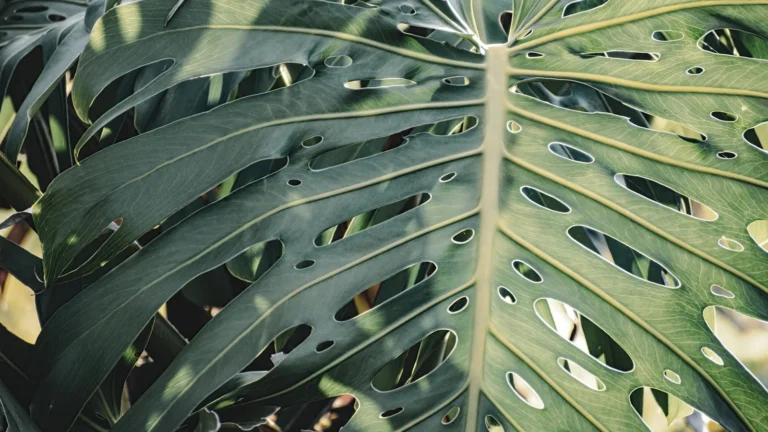
Cats and dogs explore the world with their mouths, and a dangling leaf or trailing vine is basically an invitation. Common houseplants like pothos, philodendron, monstera, and peace lilies all contain calcium oxalate crystals or other compounds that can cause anything from mouth irritation and drooling to vomiting and, in rarer cases, more serious complications. Rather than trying to memorize which popular plants to avoid, it’s often easier to build your plant shelf around known-safe species from the start.
Pet-Safe Houseplants Worth Growing
Spider Plant (Chlorophytum comosum)
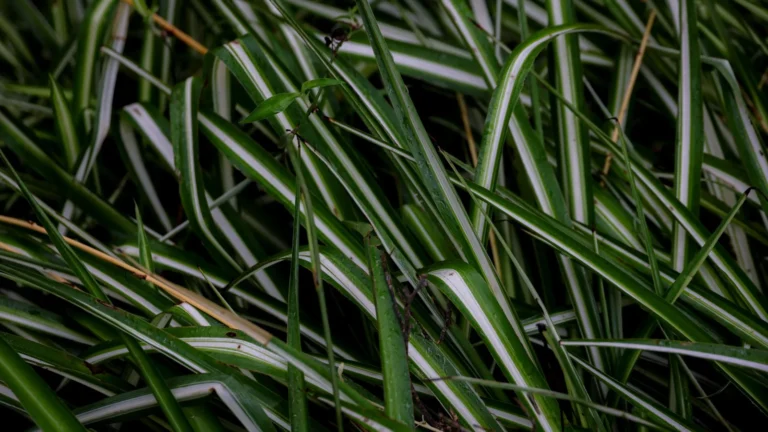
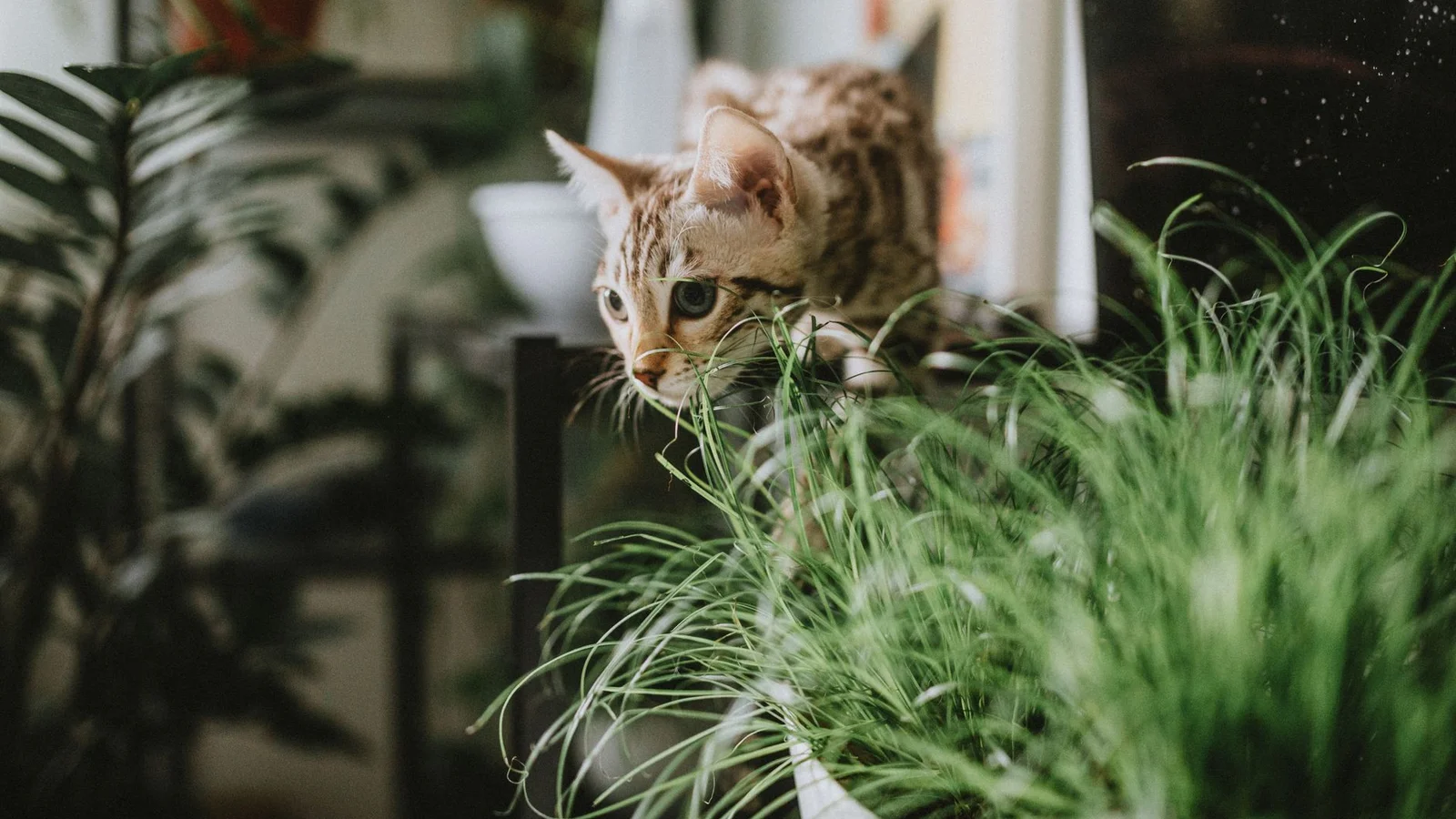
A near-perfect starter plant for pet owners, the spider plant is non-toxic to cats and dogs, tolerates a range of light conditions, and is famously forgiving of inconsistent watering. Its arching, striped leaves and dangling “babies” also make it a favorite of curious cats, who often enjoy batting at the foliage — harmlessly, in this case.
Calathea and Prayer Plant (Calathea and Maranta species)
Grown for their strikingly patterned leaves that fold up at night, calatheas and their close relative the prayer plant are non-toxic and add serious visual interest to a room. They do prefer higher humidity and consistent moisture, so they’re a slightly more attentive choice, but the payoff in leaf pattern is hard to match.
Boston Fern (Nephrolepis exaltata)
With its lush, feathery fronds, the Boston fern is a classic non-toxic option that thrives in a humid bathroom or a spot away from direct sun. It likes consistently moist soil and appreciates a boost in humidity, making it a great candidate for a hanging planter where curious paws can’t easily reach anyway.
Areca Palm (Dypsis lutescens)
For a bigger statement piece, the areca palm brings tropical, feathery fronds and is safe for both cats and dogs. It likes bright, indirect light and steady watering, and its size makes it a great floor plant for filling an empty corner without worry.
Parlor Palm (Chamaedorea elegans)
A smaller, more compact palm than the areca, the parlor palm tolerates lower light conditions well and stays relatively slow-growing, which makes it easy to manage in an apartment. It’s non-toxic and has been a popular, tough houseplant for generations.
Peperomia (various species)
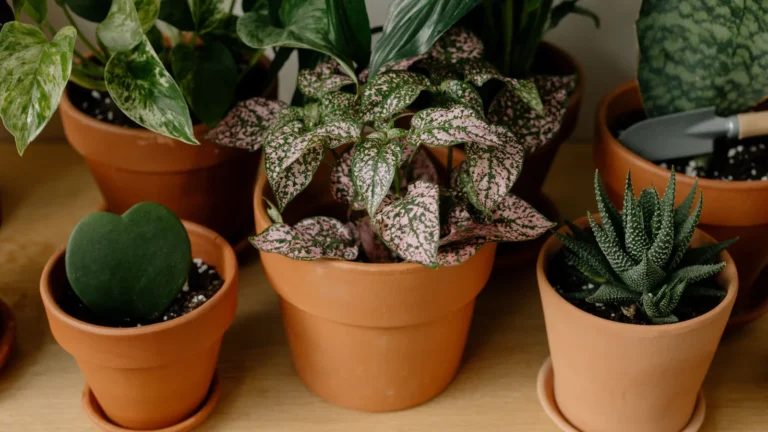
Peperomias come in a huge range of leaf shapes, textures, and colors, from the crinkled watermelon peperomia to the trailing string of turtles. Nearly all common peperomia species are considered non-toxic, and their compact size and low-maintenance nature make them ideal for shelves and desks where pets might wander.
Ponytail Palm (Beaucarnea recurvata)
Not actually a palm at all, but a succulent with a distinctive bulbous trunk and a fountain of curling leaves, the ponytail palm is non-toxic and extremely drought-tolerant, making it forgiving for anyone who occasionally forgets to water.
Haworthia and Other Non-Toxic Succulents
Many popular succulents, including aloe and jade, are actually toxic to pets, but haworthia is a notable and attractive exception. Its striated, often striped rosettes look similar to aloe but are safe for curious cats and dogs, and it needs very little care beyond bright light and infrequent watering.
Bird’s Nest Fern (Asplenium nidus)
With its glossy, ripple-edged fronds forming a rosette shape, the bird’s nest fern is a striking non-toxic option that does well in medium to bright indirect light and appreciates higher humidity, making it well suited to a kitchen or bathroom.
Air Plants (Tillandsia species)
Air plants are non-toxic, need no soil at all, and can be displayed in creative ways — mounted, in glass terrariums, or tucked into decorative holders — that also happen to keep them out of easy reach of pets. They just need a soak in water once a week or so and bright, indirect light.
Setting Up a Pet-Friendly Plant Space
Even with non-toxic plants, a few habits go a long way toward keeping both your plants and your pets happy:
- Use hanging planters or high shelves for plants you’d rather your pet not treat as a snack or a toy, even if they’re non-toxic — this protects the plant as much as the pet.
- Skip fertilizer and pest sprays right before your pet is likely to be near the plant, or choose pet-safe formulations, since it’s often the additives rather than the plant itself that cause problems.
- Keep decorative rocks, moss, or mulch out of reach if your pet tends to dig or chew, since some decorative materials can pose a choking or digestive hazard.
- Watch new pets closely around new plants for the first few weeks, since some animals lose interest in chewing foliage once the novelty wears off.
Popular Houseplants Worth Avoiding If You Have Pets
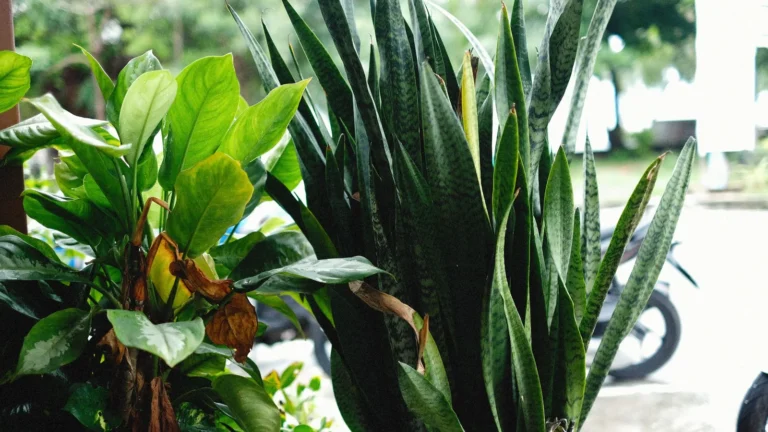
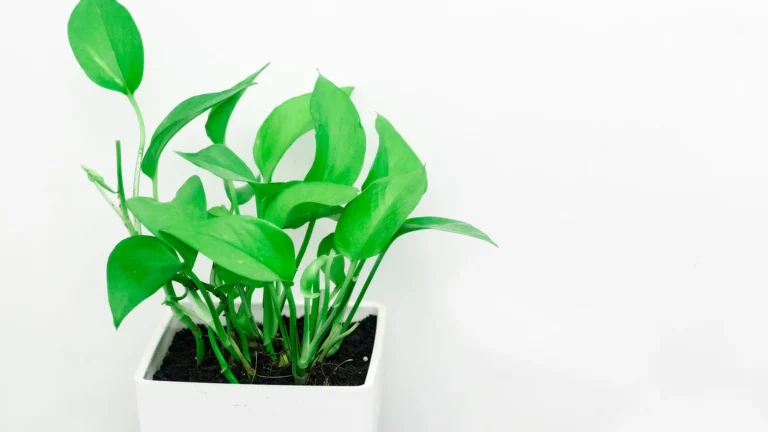
Since so much of building a pet-safe plant collection is about knowing what to skip, it helps to recognize a few especially common offenders. Pothos and philodendron, both hugely popular for their trailing vines and easy care, contain calcium oxalate crystals that can cause oral irritation, drooling, and vomiting if chewed. Sago palms are far more serious and can cause severe liver damage or worse if ingested by dogs, making them one of the most dangerous common houseplants for pet households. Aloe vera, despite its reputation as a soothing plant for human skin, is toxic to cats and dogs if eaten. Peace lilies, lilies more broadly (which are especially dangerous to cats, even in small amounts or from pollen), dieffenbachia, and English ivy round out the list of frequently sold houseplants that are best kept out of a pet-friendly home, or at minimum kept somewhere pets genuinely cannot access.
What to Do If Your Pet Eats Part of a Toxic Plant
If you know or suspect your pet has chewed on or eaten a toxic plant, try to identify the plant species and note roughly how much was consumed, since this information helps a veterinarian assess the situation quickly. Remove any remaining plant material from your pet’s mouth if you can do so safely, and contact your veterinarian, an emergency animal hospital, or a pet poison hotline right away rather than waiting to see if symptoms develop. Don’t try to induce vomiting or administer home remedies unless a veterinary professional specifically instructs you to, since some approaches can do more harm than good depending on what was ingested.
Double-Check Before You Buy
Plant names can be inconsistent from one nursery tag to another, and lookalike species sometimes get mislabeled. Before bringing home any new plant, it’s worth cross-referencing the full botanical name against a trusted resource such as the ASPCA’s toxic and non-toxic plant list, which is regularly maintained and searchable by species. It’s also worth remembering that a common name like “palm” or “lily” can refer to dozens of unrelated plant species with very different toxicity profiles, so always check the italicized botanical name in parentheses rather than relying on the common name alone.
The Bottom Line
You don’t have to sacrifice your love of houseplants to keep a pet-friendly home. With options ranging from trailing spider plants to statement-making areca palms, there’s a non-toxic plant for nearly every style and skill level. Build your collection around these safe choices, add a few smart placement habits, and you can fill your home with greenery while keeping your cats and dogs safe and your plants intact.