Pothos Care: The Complete Guide to the Easiest Houseplant
If there’s one houseplant that earns its reputation as unkillable, it’s pothos. With its trailing vines, heart-shaped leaves, and shrug-it-off attitude toward neglect, pothos has become the plant that new plant parents cut their teeth on and experienced growers keep coming back to for its sheer reliability. But “easy” doesn’t mean “no care at all,” and a little understanding of what pothos actually wants will take it from merely surviving on a shelf to spilling gorgeous, full vines across a room. Here’s everything you need to know to grow it well.
Getting to Know Pothos
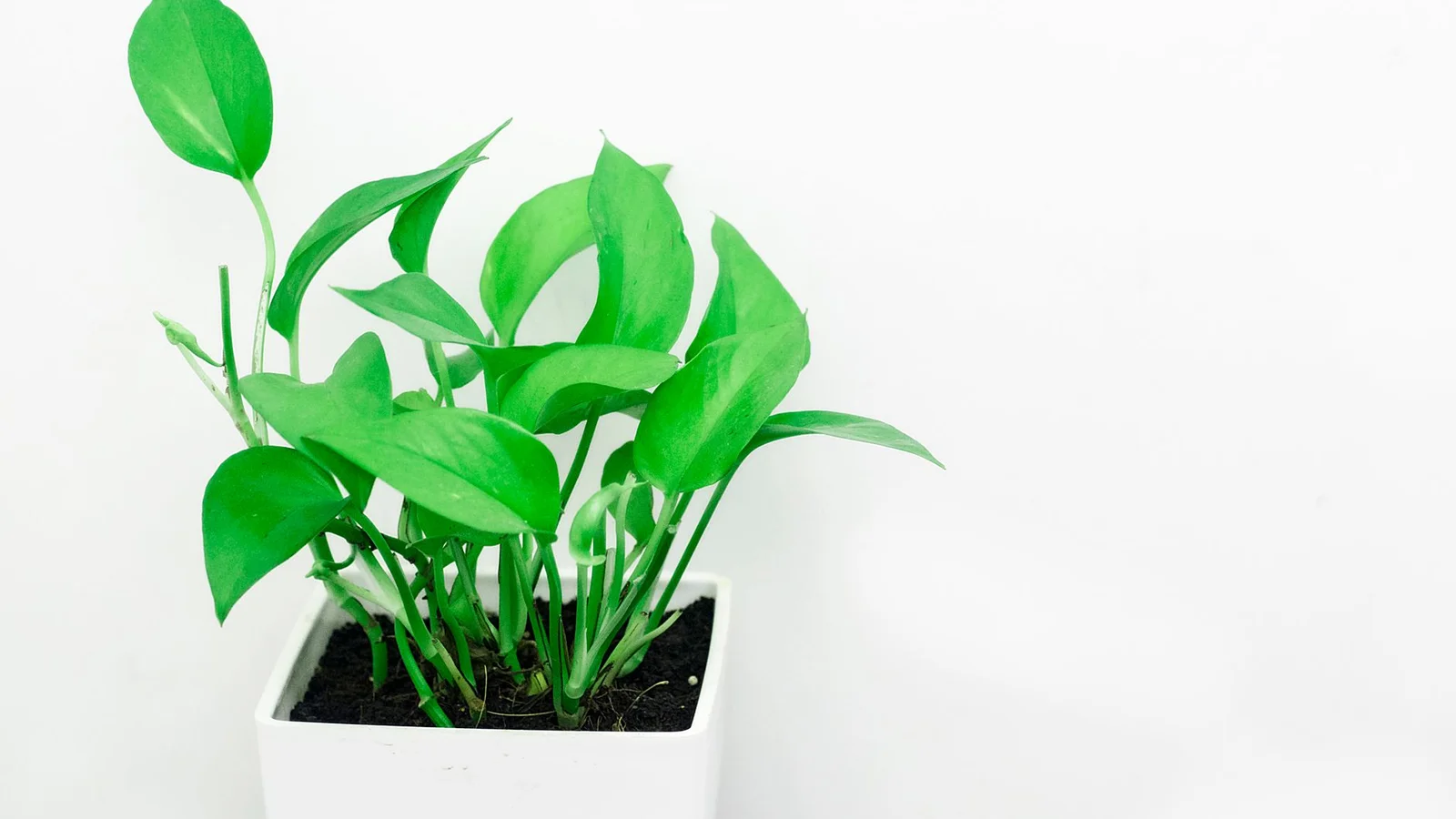
Pothos, sometimes called devil’s ivy for its ability to stay green even in poor conditions, is a vining tropical plant native to the forest floors of French Polynesia, where it grows in the dappled, filtered light beneath a taller canopy. That native habitat explains a lot about its indoor preferences: it’s adapted to indirect light, humid but not waterlogged soil, and warm, stable temperatures. Common varieties include the classic golden pothos with yellow-green marbled leaves, marble queen with heavier white variegation, neon pothos in a bright solid chartreuse, and jade pothos in deep solid green — all share essentially the same care needs, though more heavily variegated types generally want a bit more light to maintain their patterning.
Light: Flexible but Not Infinite
Pothos tolerates a wide range of light, from medium to bright indirect light, and even holds on reasonably well in lower light, which is part of why it’s such a popular pick for offices and apartments with modest windows. That said, more light generally means faster, fuller growth and better-defined variegation, while low light will slow the plant down and can cause variegated types to revert toward solid green as they compensate by producing more chlorophyll. Direct, intense sun should be avoided, since it can scorch the leaves, leaving crispy brown patches. A spot a few feet back from a bright window, or directly in front of a window with filtered or indirect light, is close to ideal.
Watering Pothos the Right Way
More pothos plants are lost to overwatering than to almost any other cause, which is ironic given the plant’s reputation for toughness. The rule of thumb is to let the top one to two inches of soil dry out before watering again, and always check with a finger rather than watering on a fixed schedule, since factors like light, temperature, and pot size all change how quickly soil dries. When you do water, do it thoroughly, letting water run through the drainage holes and out of the pot rather than giving small, frequent sips that only wet the top layer of soil. Pothos leaves will actually droop noticeably when the plant is thirsty, which is a handy and fairly reliable visual cue — a drooping pothos usually perks back up within a few hours of a good watering.
Soil and Potting
A well-draining potting mix is essential, since pothos roots are prone to rot if left sitting in soggy soil for extended periods. A standard indoor potting mix works fine for most people, though adding a bit of perlite can improve drainage further if your mix tends to stay heavy and wet. Always use a pot with a drainage hole, and repot roughly every one to two years, or whenever you notice roots circling the pot or growing out of the drainage holes, moving up only one to two pot sizes at a time.
Humidity and Temperature
Pothos is fairly adaptable to typical indoor humidity levels and doesn’t demand the misting or humidity trays that fussier tropical plants require, though it will appreciate slightly higher humidity if you’re able to provide it, especially during dry winter months when indoor heating saps moisture from the air. Aim for typical room temperatures, ideally between 65 and 85 degrees Fahrenheit, and keep the plant away from cold drafts, air conditioning vents, and heating registers, all of which can cause stress and leaf drop over time.
Feeding Your Pothos
Pothos isn’t a heavy feeder, but a little fertilizer during the growing season will noticeably speed up growth and support fuller foliage. A balanced, general-purpose liquid houseplant fertilizer diluted to about half strength, applied once a month during spring and summer, is plenty. Skip fertilizing in fall and winter when growth naturally slows, since feeding a plant that isn’t actively growing can lead to salt buildup in the soil rather than any real benefit.
Pruning and Shaping
Pothos grows quickly and can get leggy or sparse-looking over time if it’s never trimmed, so regular pruning keeps the plant fuller and more attractive. Snip vines back to just above a leaf node whenever they get longer than you’d like, and don’t be shy about cutting a significant length if the plant has become thin and stretched — pothos responds to pruning with vigorous new growth from the cut points. Every cutting you remove can also be rooted to start a new plant, so pruning doubles as a way to propagate more pothos for yourself or to share with friends.
Propagating Pothos
Pothos is one of the easiest houseplants to propagate, which is a big part of its enduring popularity. Cut a length of vine with at least one leaf and one node — the small bump on the stem where roots and new leaves emerge — and place the cut end in a glass of water, changing the water every week or so. Roots typically appear within two to four weeks, and once they’re a couple of inches long, the cutting can be potted into soil. Pothos cuttings can also be rooted directly in a moist, well-draining potting mix if you’d rather skip the water stage entirely, though water propagation lets you watch the process, which many people find satisfying.
Common Problems and Quick Fixes
- Yellow leaves most often point to overwatering; let the soil dry out more between waterings and check that the pot drains properly.
- Brown, crispy leaf edges usually mean underwatering, low humidity, or too much direct sun; adjust watering frequency and consider moving the plant out of intense light.
- Loss of variegation is typically caused by insufficient light; move the plant to a brighter, indirect-light spot to help new growth retain its pattern.
- Leggy vines with sparse leaves signal it’s time to prune and, if the room is dim, to consider relocating the plant somewhere brighter.
- Small pests like mealybugs or spider mites can occasionally show up; wipe leaves down with a damp cloth regularly and treat any infestation early with insecticidal soap.
A Note on Safety
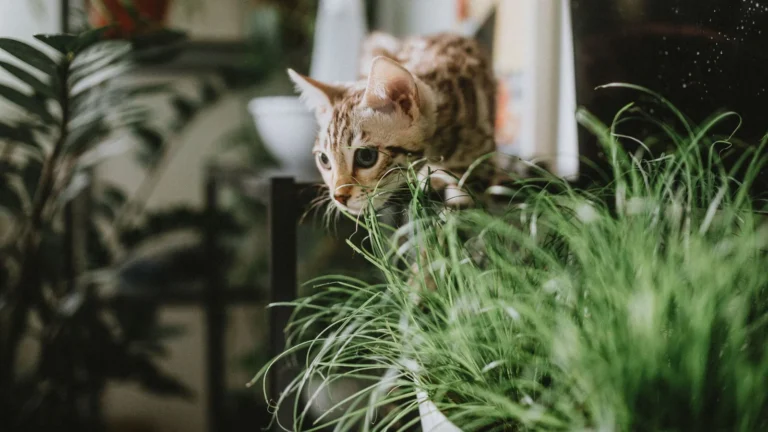
Pothos is toxic to cats and dogs if chewed or ingested, due to calcium oxalate crystals in the leaves that cause mouth irritation, drooling, and digestive upset. If you share your home with curious pets, keep pothos in a hanging planter or on a high shelf out of easy reach rather than at floor or coffee-table level.
Pothos earns its easygoing reputation honestly, but a bit of attention to light, watering, and the occasional prune is what separates a plant that merely survives from one that thrives into a lush, trailing showpiece. Give it filtered light, water only when the soil has dried out, and a trim now and then, and you’ll likely find yourself with more pothos cuttings than you know what to do with within a year.