Monstera Care: Light, Support, and Those Famous Splits
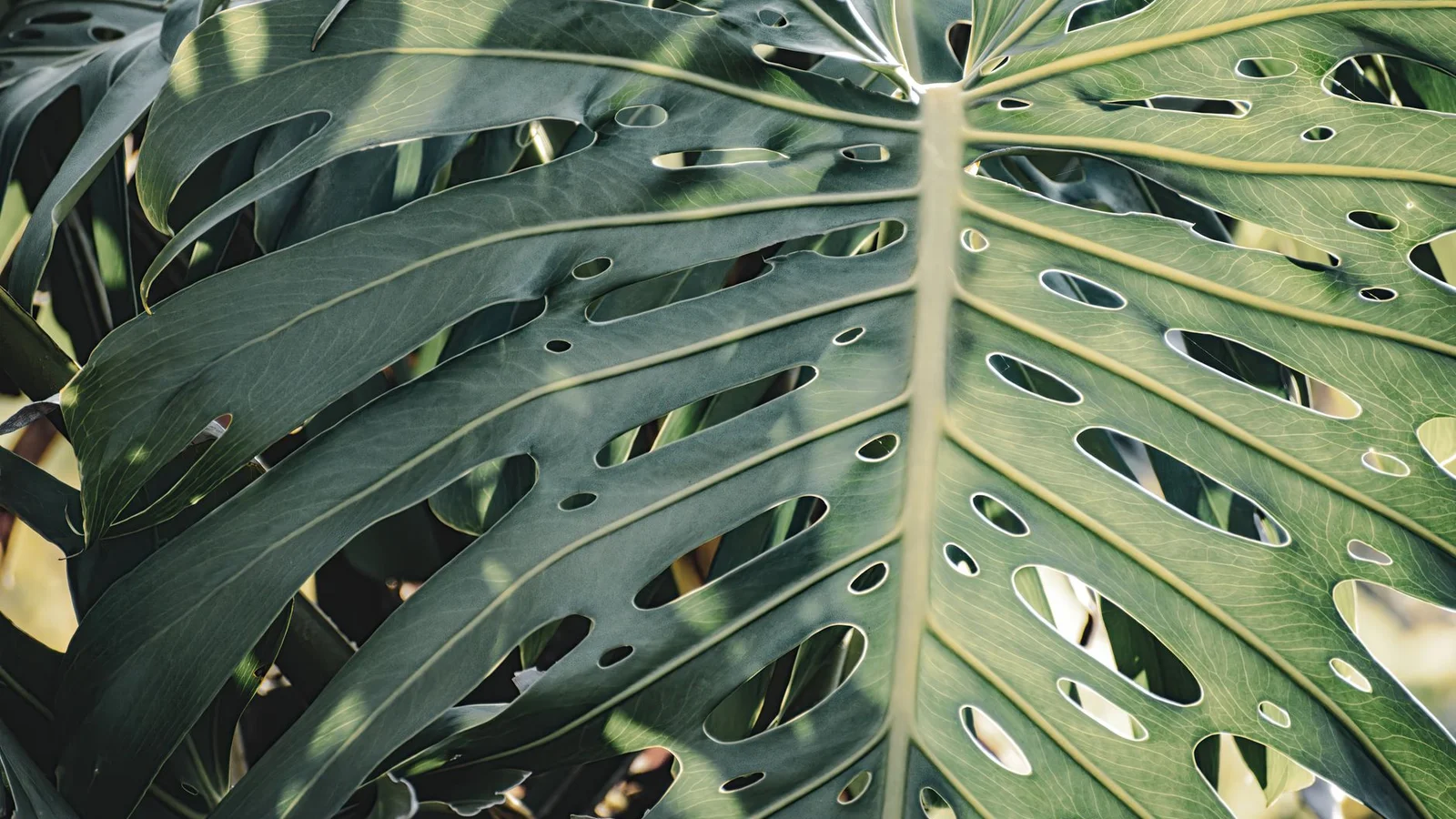
Few houseplants have captured the internet’s heart quite like the Monstera deliciosa, with its glossy, heart-shaped leaves that split and perforate into dramatic natural artwork as they mature. It’s become the unofficial mascot of modern indoor plant décor, and for good reason: a mature Monstera makes a serious style statement. But those famous splits, called fenestrations, don’t just happen because you brought one home — they depend on giving your plant the right light, support, and time to grow up. Here’s what your Monstera actually needs to reach its full, dramatically fenestrated potential.
Light: The Key to Bigger, More Split Leaves
Light is the single biggest factor determining how quickly your Monstera grows and how dramatic its fenestrations become. In its native habitat in the tropical forests of southern Mexico and Central America, Monstera climbs up trees, working its way from the dim forest floor toward brighter light higher up the trunk — and its leaves become progressively more split and perforated as it climbs into brighter conditions.
Indoors, aim for bright, indirect light — a spot near an east-facing window, or a few feet back from a south- or west-facing one where the light is bright but filtered. A Monstera kept in low light will survive, but it will grow slowly and tend to produce smaller leaves with little to no fenestration, since splitting is partly a response to reaching for more light. On the other end, avoid intense, direct afternoon sun, which can scorch the leaves, leaving pale or crispy brown patches.
If your Monstera’s newest leaves are coming in solid, with few or no splits, it’s often a sign the plant needs more light. Try moving it closer to a window, and be patient — new leaves reflect current conditions, so it may take a few leaf cycles to see a change.
Watering: Consistent, Not Constant
Monstera prefers a rhythm of thorough watering followed by a period of drying out, rather than staying constantly damp. Water when the top 1 to 2 inches of soil are dry to the touch, then water deeply until it drains from the bottom of the pot, and let any excess drain away completely.
In most homes, this works out to roughly every 1 to 2 weeks, though the exact interval depends on light, pot size, and season — expect to water more often in bright light and active growth, and less in winter when growth slows. Overwatering, which shows up as yellowing lower leaves and a mushy stem base, is a far more common problem than underwatering, so when in doubt, wait another day or two before reaching for the watering can.
Soil and Potting
Because Monstera is semi-epiphytic — meaning its roots are adapted to grow with plenty of airflow, clinging to tree bark as much as digging into soil — it does best in a chunky, fast-draining mix rather than dense potting soil. A good approach is a base of quality potting soil amended with orchid bark, perlite, and a bit of horticultural charcoal, which mimics the airy conditions its roots evolved for and helps prevent root rot.
Always use a pot with drainage holes, and size up only modestly when repotting — a pot that’s just 1 to 2 inches larger in diameter than the current one is plenty. An oversized pot holds excess moisture that can sit unused around the roots for too long.
Support: Why Your Monstera Needs Something to Climb
This is the piece beginners most often miss. In the wild, Monstera is a climbing vine, and its growth habit and leaf development change dramatically depending on whether it has something to climb.
A Monstera left to sprawl without support will often produce smaller leaves with less dramatic fenestration, and its stem will grow long and leggy as it searches for something to grip. Give it a moss pole, coco coir pole, or a simple wooden stake, and you’ll typically see larger, more deeply split leaves develop as the plant matures — climbing triggers the plant’s natural shift toward more adult, fenestrated growth.
How to Set Up a Moss Pole
- Insert the pole into the pot close to the main stem, ideally when repotting so you can position it without disturbing established roots too much.
- Gently tie the stem to the pole with soft plant ties or twine, checking every few weeks to loosen ties as the stem thickens.
- Mist the moss pole occasionally, since Monstera will send out aerial roots that attach to and draw some moisture from a damp pole.
- As new growth appears, guide it toward the pole and continue tying loosely until the plant naturally grips on its own with aerial roots.
If you don’t have room for a full moss pole, even a shorter stake or trellis will encourage more upright, mature growth compared to letting the plant trail unsupported.
Understanding Aerial Roots
Don’t be alarmed by the thick, brown roots that emerge from your Monstera’s stem — these aerial roots are completely normal and are how the plant clings to trees and absorbs extra moisture and nutrients in the wild. You can:
- Guide them toward the moss pole or soil, where they’ll help anchor and support the plant
- Tuck small ones directly into the soil
- Leave them be if you prefer the natural jungle look
Avoid cutting off aerial roots unless truly necessary, since removing them doesn’t harm the plant but does eliminate a natural support and nutrient-gathering structure.
Why Your Monstera’s Leaves Aren’t Splitting
If your plant is stubbornly producing plain, unsplit leaves, consider these common causes:
- The plant is still young. Fenestrations typically don’t appear until a Monstera has produced several mature leaves and has some size to it — patience matters here.
- Insufficient light. This is the most common cause by far; move the plant to a brighter spot.
- No support to climb. Add a pole or stake to encourage the shift toward mature growth.
- Recent stress. A plant that’s just been repotted, propagated, or moved may put out a few smaller or unsplit leaves before settling back into its normal growth pattern.
Feeding and Seasonal Care
During spring and summer, feed your Monstera every 4 to 6 weeks with a balanced liquid houseplant fertilizer diluted to half strength, which supports the vigorous growth typical of the warmer months. Ease off or stop fertilizing in fall and winter, when growth naturally slows and the plant needs fewer nutrients.
Cleaning and Maintaining Those Big Leaves
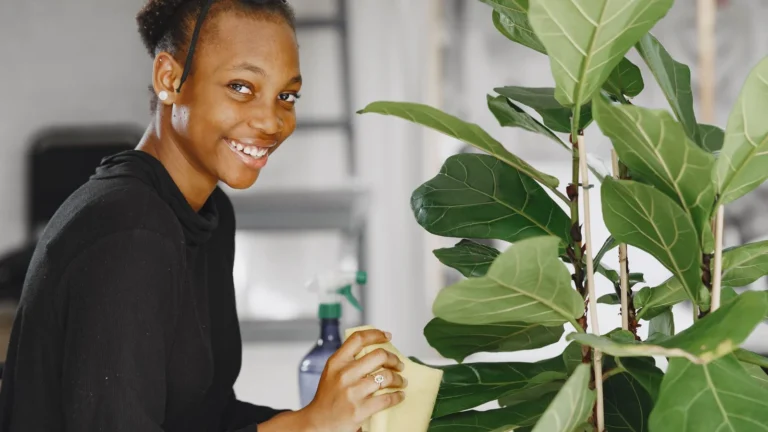
Monstera’s broad, glossy leaves collect dust quickly, and a dusty leaf can’t photosynthesize as efficiently as a clean one. Wipe leaves gently every few weeks with a soft, damp cloth, supporting the leaf from underneath with your other hand so you don’t tear it. This isn’t just cosmetic — it genuinely helps the plant capture more light and can make it easier to spot early signs of pests like spider mites, which favor dusty, undisturbed foliage.
Repotting Tips
Monstera grows quickly under good conditions and typically needs repotting every one to two years, or sooner if you notice roots circling the bottom of the pot or growing out of the drainage holes. Spring is the ideal time, coinciding with the plant’s most active growth period, which helps it recover quickly from any root disturbance. When you repot, it’s also the easiest time to install or resize a moss pole, since you have full access to the root ball without cutting into established growth.
Final Thoughts
A Monstera’s split, fenestrated leaves aren’t a fixed feature — they’re a reflection of the plant’s maturity and the conditions you give it. Provide bright indirect light, a well-draining chunky soil, consistent watering, and something sturdy to climb, and you’ll set your Monstera up to grow into the dramatic, leafy showstopper it’s famous for. It takes a bit of patience, but every new leaf is a small reveal worth waiting for.