The Best Low-Light Houseplants for Dark Apartments
Not everyone gets to live with south-facing windows and sun-drenched rooms, and a dark apartment shouldn’t mean giving up on houseplants altogether. Plenty of species have evolved on shaded forest floors or in the understory beneath taller canopy plants, which means low light isn’t a hardship for them — it’s home. The key is knowing which plants genuinely tolerate dim conditions rather than just “surviving” them for a few sad months before fading out. This guide covers the true low-light performers, how to help them along, and what “low light” actually means so you can shop with realistic expectations.
What “Low Light” Really Means
Low light doesn’t mean no light. Every plant, even the toughest ones on this list, still needs enough ambient brightness to read a book comfortably by during the day without a lamp. If a room is so dark that you need artificial light on at noon, that’s too dim for any live plant to sustain itself long-term without supplemental grow lighting. Genuine low light usually describes a spot several feet back from a window, a room with a north-facing window, or a space near a window that’s partially blocked by a building or tree. Knowing this distinction up front will save you from misjudging your space and blaming the plant for what is really a lighting problem.
Snake Plant
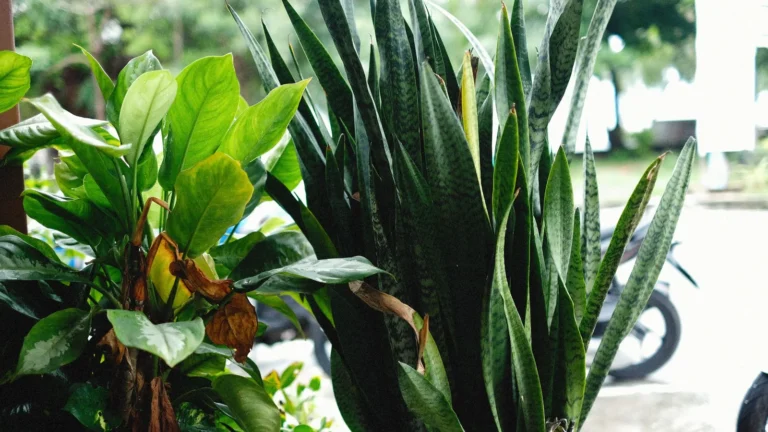
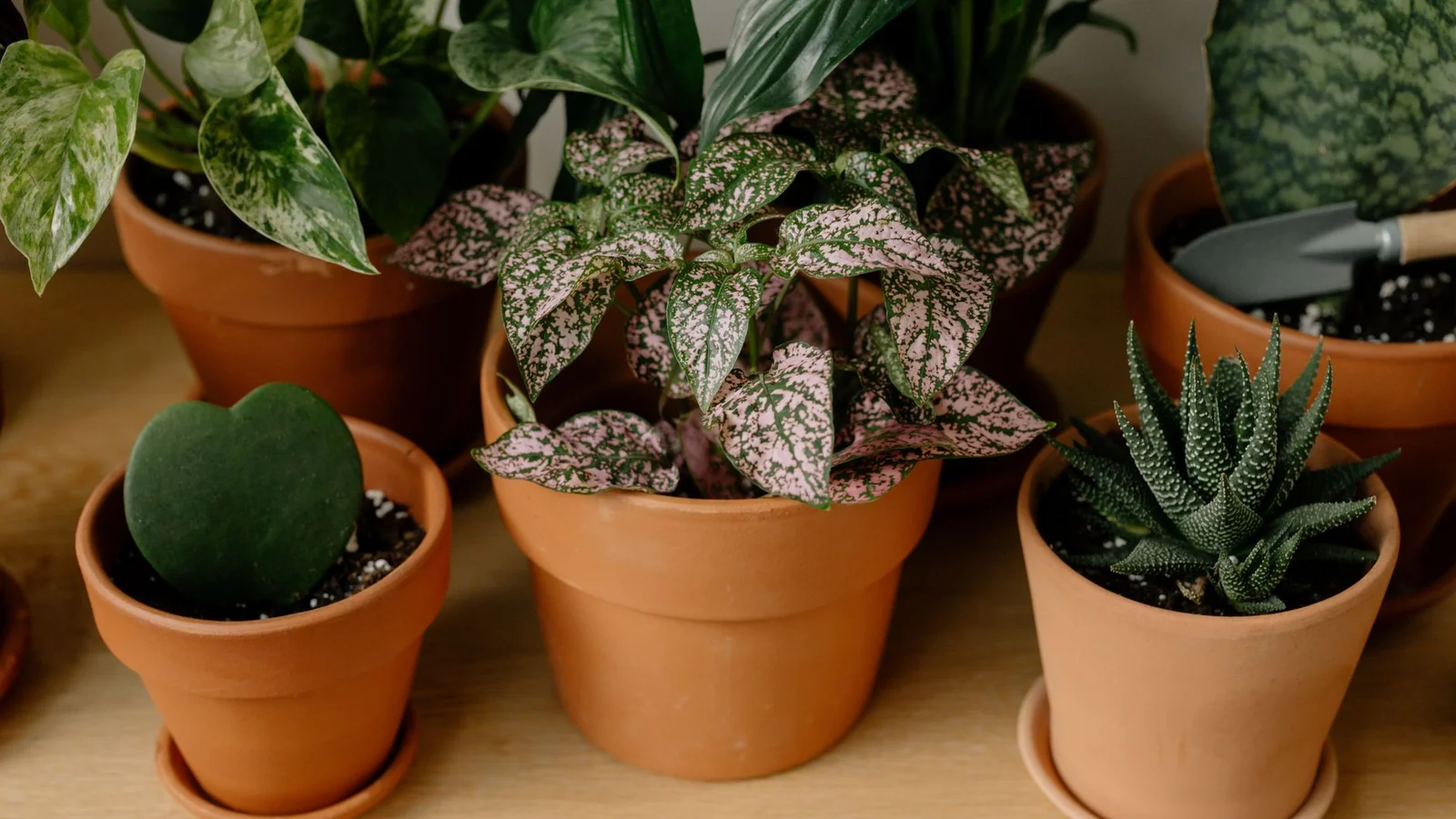
Snake plants are close to indestructible and tolerate low light better than almost any other common houseplant, thanks to thick, upright leaves that store water and a slow growth rate that doesn’t demand much energy. They also handle irregular watering gracefully, which makes them ideal for anyone new to plant care or prone to forgetting a watering day. Just be careful not to overwater in dim conditions, since slower growth means the soil stays wet longer between uses.
ZZ Plant
The ZZ plant is another classic for dark corners, with glossy, waxy leaves that reflect what little light is available and rhizomes underground that store water and nutrients for lean periods. It grows slowly in low light, which is normal and not a sign of distress, and it’s remarkably forgiving if you occasionally forget to water it for a couple of weeks.
Pothos
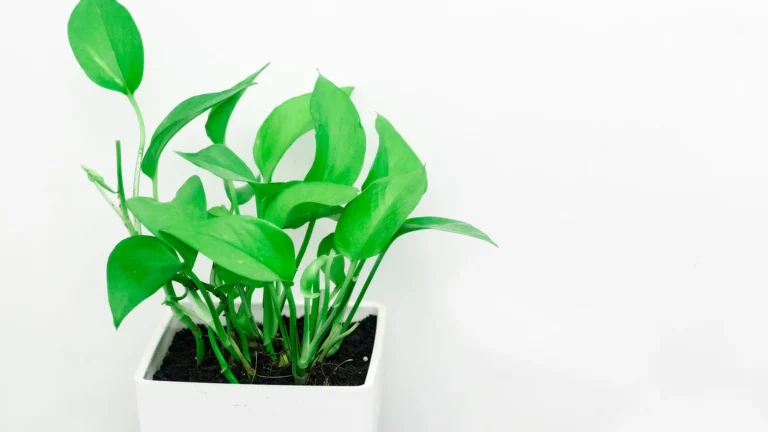
Pothos is famous for being nearly impossible to kill, and low light is one of the conditions it handles with ease. Variegated types will lose some of their white or yellow patterning in dim rooms as the plant produces more chlorophyll to compensate, but solid green varieties will keep trailing and growing steadily even several feet from any window.
Cast Iron Plant
True to its name, the cast iron plant was a Victorian-era favorite specifically because it tolerated the dim, gas-lit parlors of the time. Its broad, dark green leaves grow slowly but reliably in low light, and it shrugs off inconsistent watering and temperature swings better than almost anything else you could bring home.
Peace Lily
Peace lilies tolerate low light well and will still produce their signature white blooms, though flowering may be less frequent than in brighter conditions. One of their best features is communicative drooping — the leaves visibly wilt when the plant needs water, then perk back up within hours of a good soak, taking much of the guesswork out of watering.
Chinese Evergreen
Chinese evergreens come in a wide range of leaf patterns, from solid green to silver and pink variegated forms, and the deeper green varieties are especially well suited to low light. They’re also comfortable in typical indoor humidity and temperatures, making them an easy fit for most apartment living rooms and bedrooms.
Parlor Palm
Parlor palms bring a lush, airy texture to a room without demanding the bright light most palms need, a trait that made them another Victorian parlor staple for the same reasons as the cast iron plant. They grow slowly and stay relatively compact, which makes them a good choice for smaller apartments where floor space is tight.
Pothos’s Cousin: Philodendron Heartleaf
Heartleaf philodendron is often confused with pothos, but it has its own thin, softer leaves and an even faster tolerance for shade. It trails beautifully from a shelf or hanging planter and adapts well to low light, though like pothos it will grow more slowly and with smaller leaves than it would in brighter conditions.
Maidenhair and Other Ferns — With a Caveat
Many ferns, including the Boston fern and bird’s nest fern, tolerate low light reasonably well since they evolved under forest canopies. The tradeoff is humidity: low-light rooms in apartments are often also dry rooms, especially with central heating running, and ferns need consistent moisture in the air to really thrive. Pair a fern with a humidity tray or regular misting if your dark room is also a dry one.
How to Help Any Low-Light Plant Succeed
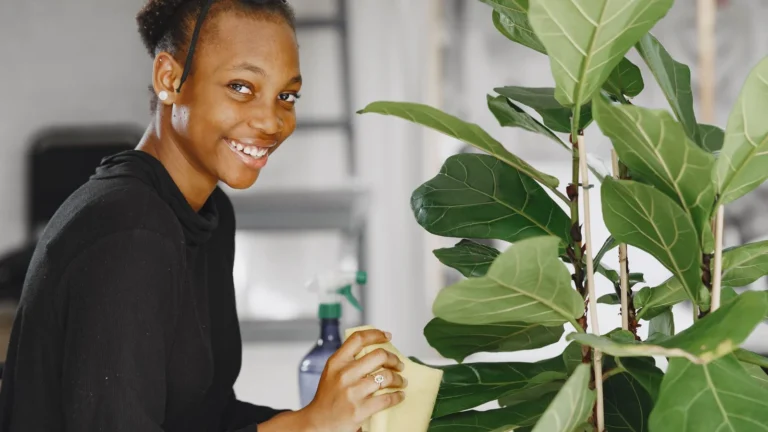
- Dust the leaves regularly. A layer of dust blocks what little light reaches the plant, so wiping leaves with a damp cloth every few weeks measurably helps photosynthesis.
- Water less often than you would in brighter light. Slower growth means slower water use, so let the top couple of inches of soil dry out before watering again rather than following a rigid schedule.
- Skip heavy fertilizing. A plant that isn’t growing quickly doesn’t need frequent feeding, and excess fertilizer can build up in the soil and damage roots when growth can’t keep pace with it.
- Rotate the pot occasionally. Even in low light, plants will lean toward whatever light source exists, so a quarter turn every few weeks keeps growth balanced.
- Consider a small grow light for genuinely windowless spots. If a room has no natural light at all, even the toughest species listed here will eventually decline, and a basic LED grow light can bridge that gap.
Arranging a Low-Light Room for Maximum Green
Even within a dim room, not every spot is equally dark. Corners near a doorway, hallways that open onto a brighter room, and areas beneath a skylight or glass door often collect more ambient light than the center of the room does. Do a walk-through at different times of day and note where the room feels brightest without direct sun ever landing — that’s where your least-tolerant low-light plants, like a peace lily or a fern, should go. Save the truly darkest corners for the toughest performers on this list, such as the snake plant, ZZ plant, or cast iron plant, since they’re built to handle it. Grouping plants together can also help; a small cluster creates a slightly more humid, sheltered microclimate that many low-light species appreciate, and it makes for a more visually satisfying display than scattering single pots around a sparse room.
Signs a “Low-Light” Plant Isn’t Getting Enough
Even the hardiest species have a floor. Watch for leggy stems reaching visibly toward the nearest light source, new leaves emerging noticeably smaller than older ones, or a general loss of leaf color and vigor over several months. These are signs the room has crossed from “low light” into “not enough light for any plant,” and it may be time to relocate the plant a bit closer to a window or add a grow light rather than switching species again.
A dark apartment doesn’t have to mean an empty one. With species that are genuinely built for shade, realistic expectations about growth speed, and a few small habits like dusting leaves and watering less often, you can build a full, green, thriving indoor jungle in a space that never sees direct sun.