Snake Plant Care: Watering, Light, and Propagation
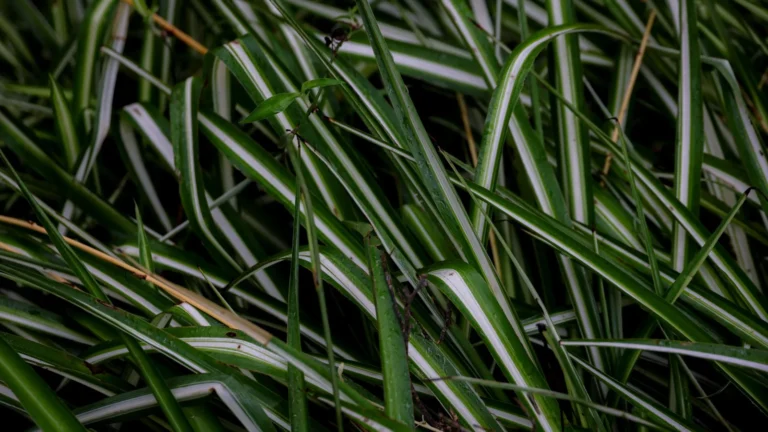
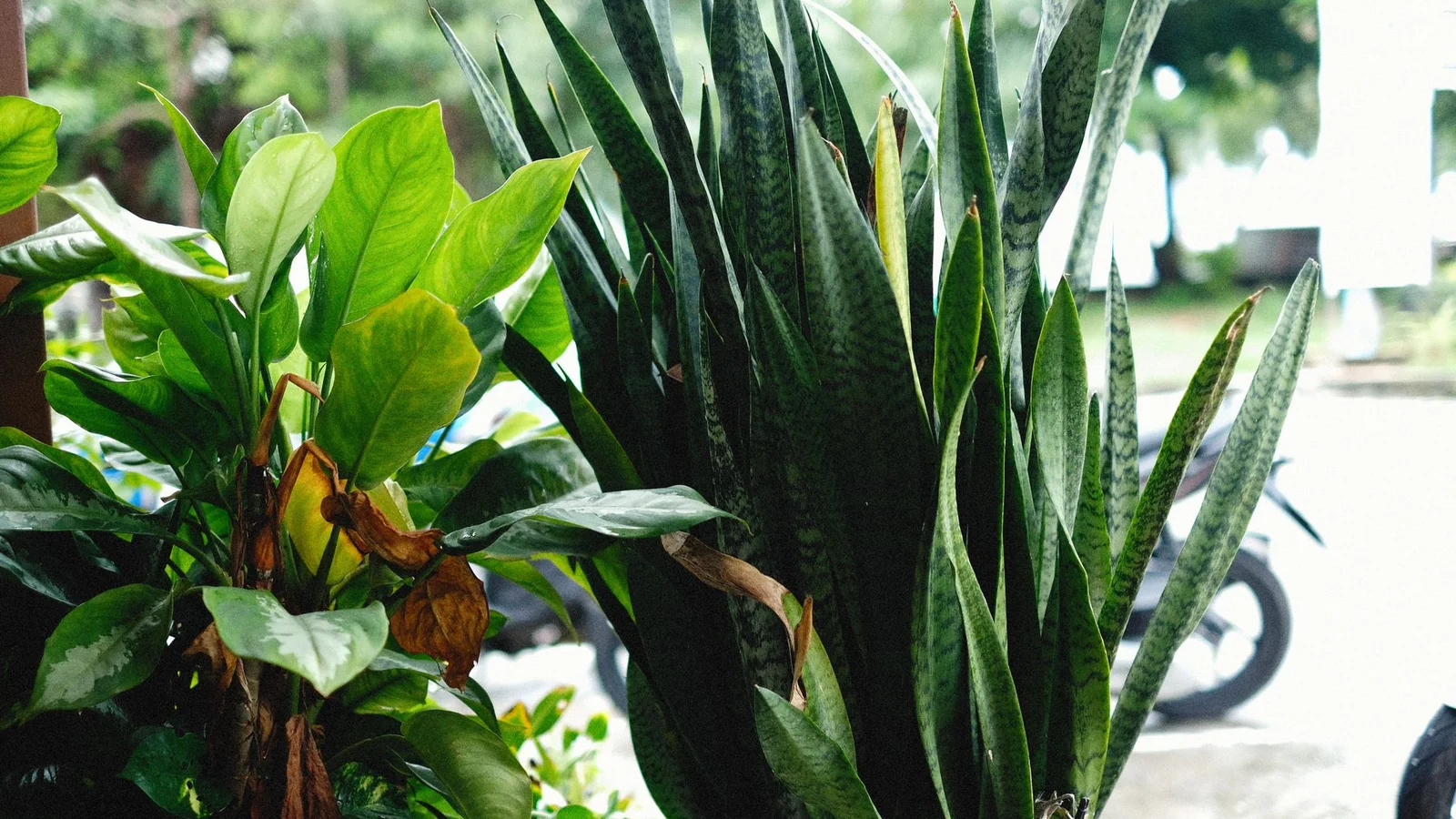
If you’ve ever killed a plant by forgetting about it for three weeks, the snake plant (Dracaena trifasciata, formerly Sansevieria) is about to become your best friend. With its stiff, upright leaves striped in green and gold, it looks architectural and a little dramatic, but underneath that bold exterior is one of the most forgiving houseplants you can bring home. Snake plants tolerate low light, irregular watering, and general neglect better than almost anything else on the windowsill, which makes them a favorite for beginners, busy people, and anyone who travels often. That said, “hard to kill” doesn’t mean “impossible to kill,” and a little know-how will help your snake plant go from surviving to genuinely thriving. Here’s everything you need to know about light, water, soil, and propagation.
Light: Flexible, But Not Indifferent
One of the snake plant’s superpowers is its tolerance for a wide range of light conditions. It will survive in a dim corner that would make most other plants drop their leaves in protest, and it will also handle bright, direct sun without scorching easily. That flexibility is exactly why it shows up in offices, hallways, and bathrooms with a single small window.
That said, “will survive” and “will look its best” are different things. For the healthiest growth and the most vivid leaf coloring, aim for bright, indirect light — think a few feet back from an east- or west-facing window, or a spot that gets filtered sun through a sheer curtain. In very low light, your snake plant will still live, but growth slows dramatically and variegated varieties (the ones with yellow or white edges) may lose some of their striping over time as the plant reverts to more chlorophyll-heavy green growth.
If you do move a snake plant into a much brighter spot than it’s used to, do it gradually over a week or two. Leaves that have adapted to low light can scorch if suddenly exposed to hours of intense direct sun.
Watering: The Number One Way People Go Wrong
Here’s the truth about snake plants: far more of them die from overwatering than from underwatering. Their thick, upright leaves store water, similar to a succulent, and their roots are quick to rot if left sitting in soggy soil.
How Often to Water
- Let the soil dry out completely between waterings — not just the top inch, but all the way down. Stick your finger in past the second knuckle, or use a wooden skewer to check for moisture.
- In most homes this means watering every 2 to 6 weeks, depending on light, humidity, and pot size. Brighter light and smaller pots mean faster drying and more frequent watering; low light and larger pots mean the opposite.
- In winter, when growth slows and light levels drop, stretch the interval even further. Many snake plants are happy watered just once a month or less during the colder, darker months.
How to Water
When you do water, water thoroughly — pour until it runs freely from the drainage holes, then let the pot drain completely and never let it sit in a saucer of standing water. This “soak and dry” approach mimics the feast-or-famine conditions snake plants experience in their native habitats in West Africa, where they grow in dry, rocky soil.
If you’re ever unsure whether to water, wait a few more days. A slightly thirsty snake plant will simply pause growth; an overwatered one can develop mushy, yellowing leaves and root rot that’s much harder to reverse.
Soil and Pot: Drainage Is Everything
Because overwatering is the biggest threat to a snake plant’s health, the soil you use matters as much as your watering schedule. Regular potting soil holds onto moisture for too long. Instead, use a fast-draining mix — a cactus or succulent potting mix works well on its own, or you can amend regular potting soil with extra perlite or coarse sand to improve drainage.
Always choose a pot with a drainage hole. If you love a particular decorative pot without one, use it as a cachepot and keep the plant in a plastic nursery pot with drainage inside it, so excess water has somewhere to go.
Temperature and Humidity
Snake plants are comfortable in typical indoor temperatures, roughly 60 to 85°F (15 to 29°C), and they’re not fussy about humidity — average household air is fine. What they don’t like is cold drafts or temperatures below about 50°F (10°C) for extended periods, so keep them away from drafty windows or doors in winter.
Feeding Your Snake Plant
Snake plants are light feeders. During the active growing season (spring through early fall), a diluted balanced liquid houseplant fertilizer once a month is plenty. Skip fertilizing entirely in fall and winter when growth naturally slows — feeding a dormant plant does more harm than good and can lead to salt buildup in the soil.
Propagation: Three Easy Ways to Multiply Your Plant
Few houseplants are easier to propagate than a snake plant, which makes it a fantastic one to share with friends. You have a few options:
Division
The fastest and most reliable method. When repotting, gently remove the plant from its pot and look at the root ball — you’ll likely see multiple fans of leaves connected by a thick underground rhizome. Use a clean, sharp knife to cut between fans, making sure each division has some roots attached, then pot each section separately in fresh, fast-draining soil. Division also preserves any leaf variegation, since the new plant is genetically identical to the parent.
Leaf Cuttings in Water
Cut a healthy leaf near the base and slice it into 3 to 4 inch sections, keeping track of which end was originally closer to the soil (this end goes down in water — it’s easy to lose orientation, so many people snip a small notch or angled cut at the bottom to remember). Place the cut end in a jar of water, keep it in bright, indirect light, and change the water every week or two. Roots will emerge in a few weeks to a couple of months, followed eventually by tiny new plantlets at the base. Once roots are a couple of inches long, pot the cutting in soil.
Leaf Cuttings in Soil
Same idea as above, but instead of water, insert the cut end directly into slightly moist, fast-draining soil. This method can produce sturdier roots faster than water propagation, since the cutting doesn’t need to adjust from water roots to soil roots.
A note on variegation: if you have a snake plant with yellow-edged leaves, leaf cuttings will typically grow back plain green, because the variegated tissue doesn’t always carry through this propagation method. Division is the only way to guarantee a genetically identical, variegated offspring.
Common Problems and How to Fix Them
- Mushy, yellow, or collapsing leaves: almost always overwatering or root rot. Unpot the plant, trim away any brown or mushy roots, let it dry out, and repot in fresh, dry soil. Water much less going forward.
- Wrinkled or curling leaves: a sign of underwatering, though this is far less common. Give the plant a thorough soak.
- Brown leaf tips: often just normal wear, low humidity, or a buildup of fertilizer salts. Trim the brown tips with clean scissors and flush the soil with water occasionally to clear out mineral buildup.
- Leaning or floppy leaves: usually caused by too little light or overwatering, which weakens the leaf tissue. Move to a brighter spot and check your watering habits.
The Bottom Line
Snake plants earn their reputation as the ultimate low-maintenance houseplant, but the secret to keeping one truly happy comes down to one simple mindset shift: water less than you think you should, give it bright indirect light when you can, and let well-draining soil do the rest of the work. Get those basics right, and you’ll have a striking, sculptural plant that rewards your restraint for years — and gives you plenty of extra leaves to propagate and share along the way.