How to Raise Humidity for Your Tropical Houseplants
Many of our favorite houseplants — calathea, ferns, alocasia, orchids, and yes, even that finicky fiddle leaf fig — originally grew on the floor of humid tropical rainforests, where the air itself was practically dripping with moisture. Bring one of those plants into a typical home, especially one with central heating or air conditioning running much of the year, and you’re often asking it to live in air that’s dramatically drier than what it evolved for. The result can be crispy leaf edges, browning tips, curling foliage, and plants that just never quite look as lush as they should. The good news is that raising humidity around your plants doesn’t require turning your living room into a greenhouse — a few targeted strategies can make a real difference. Here’s how to do it.
How to Tell If Low Humidity Is the Problem
Before investing in equipment, it helps to confirm humidity is actually the issue. Common signs your tropical plants are struggling with dry air include:
- Brown, crispy edges or tips on leaves, especially on plants like calathea, ferns, and prayer plants
- Curling or drooping leaves that perk back up somewhat after misting
- Leaves that feel thin, papery, or fail to unfurl fully
- Increased spider mite activity, since these pests thrive in dry conditions
A simple hygrometer (an inexpensive humidity gauge, often combined with a thermometer) is one of the best tools you can add to your plant care kit — it takes the guesswork out of humidity and lets you see exactly what your plants are experiencing rather than assuming.
What Humidity Level to Aim For
Most average homes sit somewhere between 30 and 40 percent relative humidity, which is comfortable for people but on the low side for many tropical plants. As a general guideline:
- 40–50% humidity keeps most common tropical houseplants reasonably happy
- 50–60% humidity is ideal for humidity-loving plants like calathea, maranta, ferns, and many orchids
- 60%+ is typically reserved for true humidity fanatics, often grown in enclosed cabinets or terrariums
You don’t need to hit these numbers for every plant in your home — instead, group your neediest plants together and focus your humidity-boosting efforts there.
Group Your Plants Together
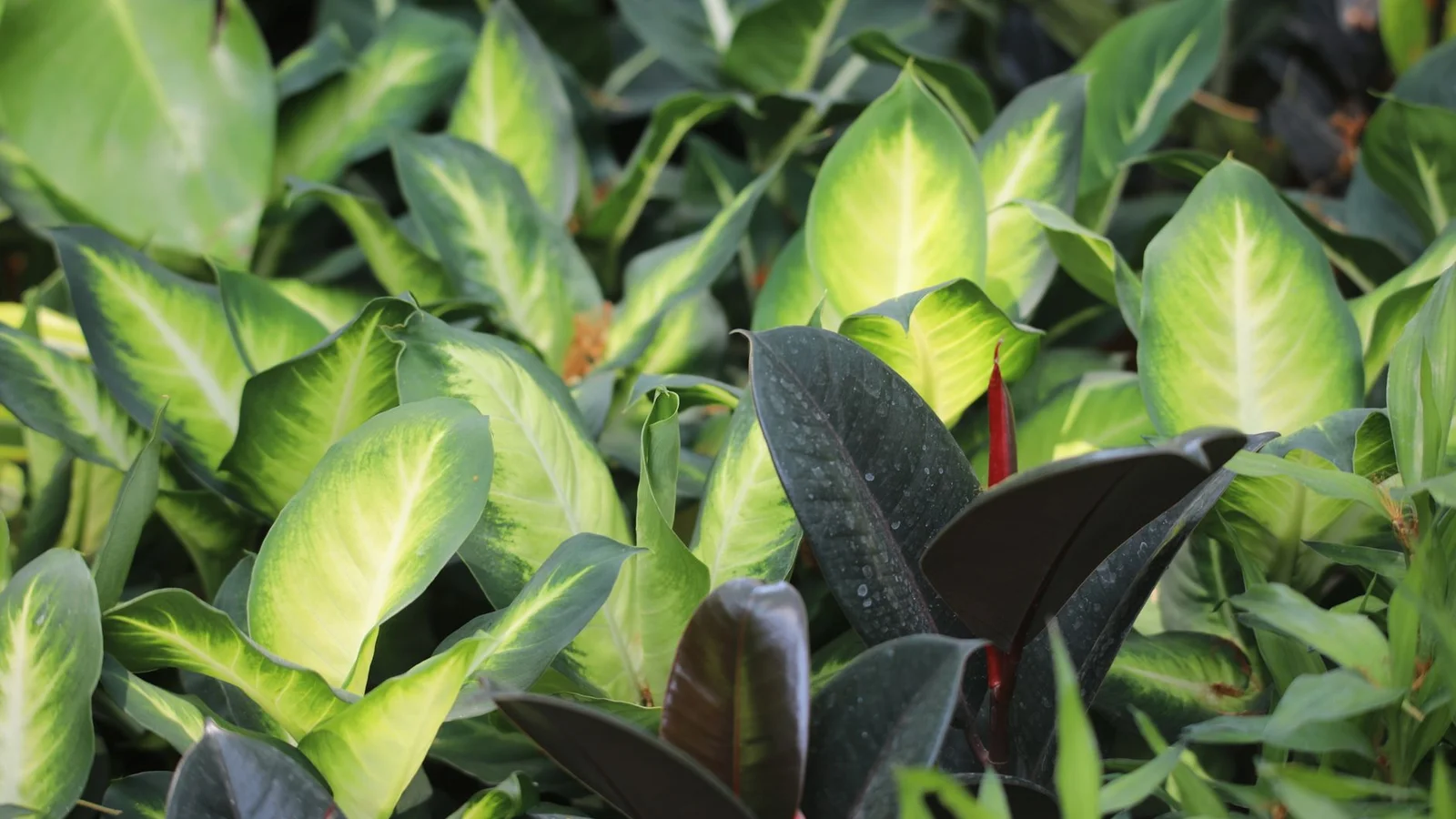
One of the simplest and most effective strategies is also the most overlooked: cluster your humidity-loving plants close together. As plants release moisture through their leaves in a process called transpiration, that moisture lingers in the air immediately around them. A cluster of plants creates a small, self-reinforcing pocket of higher humidity than any single plant could manage alone. This costs nothing and instantly benefits every plant in the group.
Use a Humidifier
For plants that genuinely need consistently elevated humidity, a small cool-mist humidifier placed nearby is the most reliable solution. Unlike other methods, a humidifier actually raises the ambient moisture in the air rather than creating a temporary or localized effect.
- Run it near your most humidity-sensitive plants, ideally within a few feet
- Use distilled or filtered water when possible to avoid mineral buildup inside the unit and on nearby surfaces
- Clean the humidifier regularly according to the manufacturer’s instructions to prevent mold or bacteria growth
- Consider a model with a built-in hygrometer or humidistat so it can maintain a target humidity level automatically
Try a Pebble Tray
A pebble tray is a classic, low-cost option: fill a shallow tray with pebbles or gravel, add water until it’s just below the top of the stones, and set your potted plant on top, making sure the pot itself sits above the waterline rather than in standing water. As the water evaporates, it raises humidity in the immediate area around the foliage.
It’s worth noting that pebble trays create a fairly modest, localized boost in humidity rather than a dramatic one — they work best as a supplement to other strategies rather than a stand-alone solution for a genuinely humidity-hungry plant.
Misting: Helpful, But Limited
Misting your plants’ leaves with a spray bottle feels satisfying and can offer a brief moment of relief, but the effect is short-lived — often just minutes before the moisture evaporates. Misting isn’t harmful (with the exception of fuzzy-leaved plants like African violets, which can develop spots if water sits on their leaves), but it shouldn’t be relied on as your primary humidity strategy. Think of it as a nice occasional bonus rather than a fix.
Consider a Terrarium or Enclosed Case
For plants that need consistently high humidity — many ferns, fittonia, certain orchids, and smaller tropical specimens — growing them in a glass terrarium, cloche, or enclosed plant cabinet creates a self-contained humid microclimate that’s far more stable than anything you can achieve in open air. This is a more involved approach, but it’s often the difference between a fittonia that limps along and one that genuinely flourishes.
Group Bathroom and Kitchen Plants Strategically
Bathrooms and kitchens tend to have naturally higher humidity thanks to showers, cooking steam, and dishwashing. If you have a bathroom with a window that gets bright, indirect light, it can be an excellent home for ferns, orchids, or other humidity lovers — provided the light is sufficient, since many bathrooms are too dim for plants that also need good light to thrive.
Watch Out for Side Effects of Higher Humidity
Raising humidity is generally beneficial, but a few precautions help avoid new problems:
- Ensure decent airflow around your plants, even in a humid grouping — stagnant, overly damp air can encourage fungal issues and pests like fungus gnats.
- Don’t let humidity boosting lead to overwatering. Higher air humidity means soil dries out more slowly, so adjust your watering frequency accordingly rather than sticking to your old schedule out of habit.
- Keep an eye out for mold or mildew on soil surfaces or nearby furniture in consistently very humid spots, and address it promptly with a fan or slightly reduced misting.
Which Plants Benefit Most
Not every houseplant needs extra humidity — succulents, cacti, and snake plants are perfectly happy in average home humidity and don’t need any special treatment. Focus your efforts on the plants that actually benefit:
- Calathea and maranta (prayer plants)
- Ferns, especially maidenhair and Boston fern
- Alocasia and colocasia
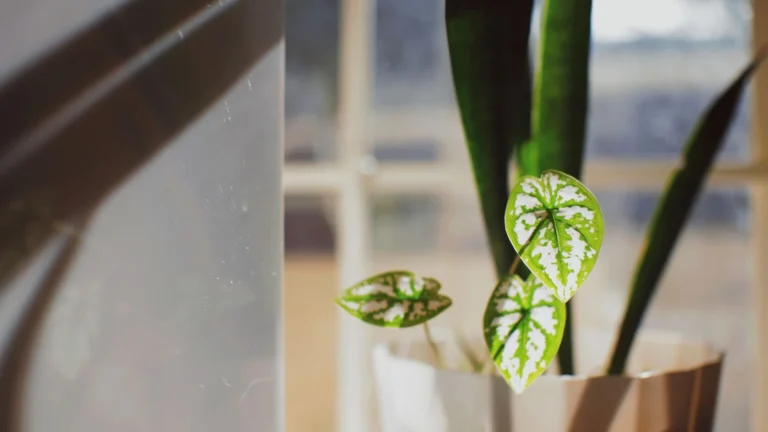
- Fittonia (nerve plant)
- Many orchids
- Anthurium
- Certain begonias
Seasonal Humidity Swings
Humidity needs tend to shift with the seasons, even indoors. Winter is usually the toughest stretch for tropical plants, since running a furnace or forced-air heating system dries out indoor air significantly, often dropping relative humidity into the 20s. Keep a closer eye on your humidity-loving plants during the heating season, and expect to rely more heavily on a humidifier or grouped plant clusters during these months. In summer, especially if you use air conditioning, humidity can also dip lower than expected, so it’s worth checking your hygrometer year-round rather than assuming warmer weather automatically means more moisture in the air.
Final Thoughts
You don’t need to transform your entire home into a rainforest to keep tropical houseplants happy — you just need to be strategic about where you place your neediest plants and which tools you use to support them. Group plants together, invest in a small humidifier for your most sensitive specimens, and use a hygrometer to actually track what’s happening rather than guessing. With a bit of attention to the air around your plants, not just the water in their soil, you’ll see fuller foliage, fewer crispy edges, and noticeably happier tropical growth.