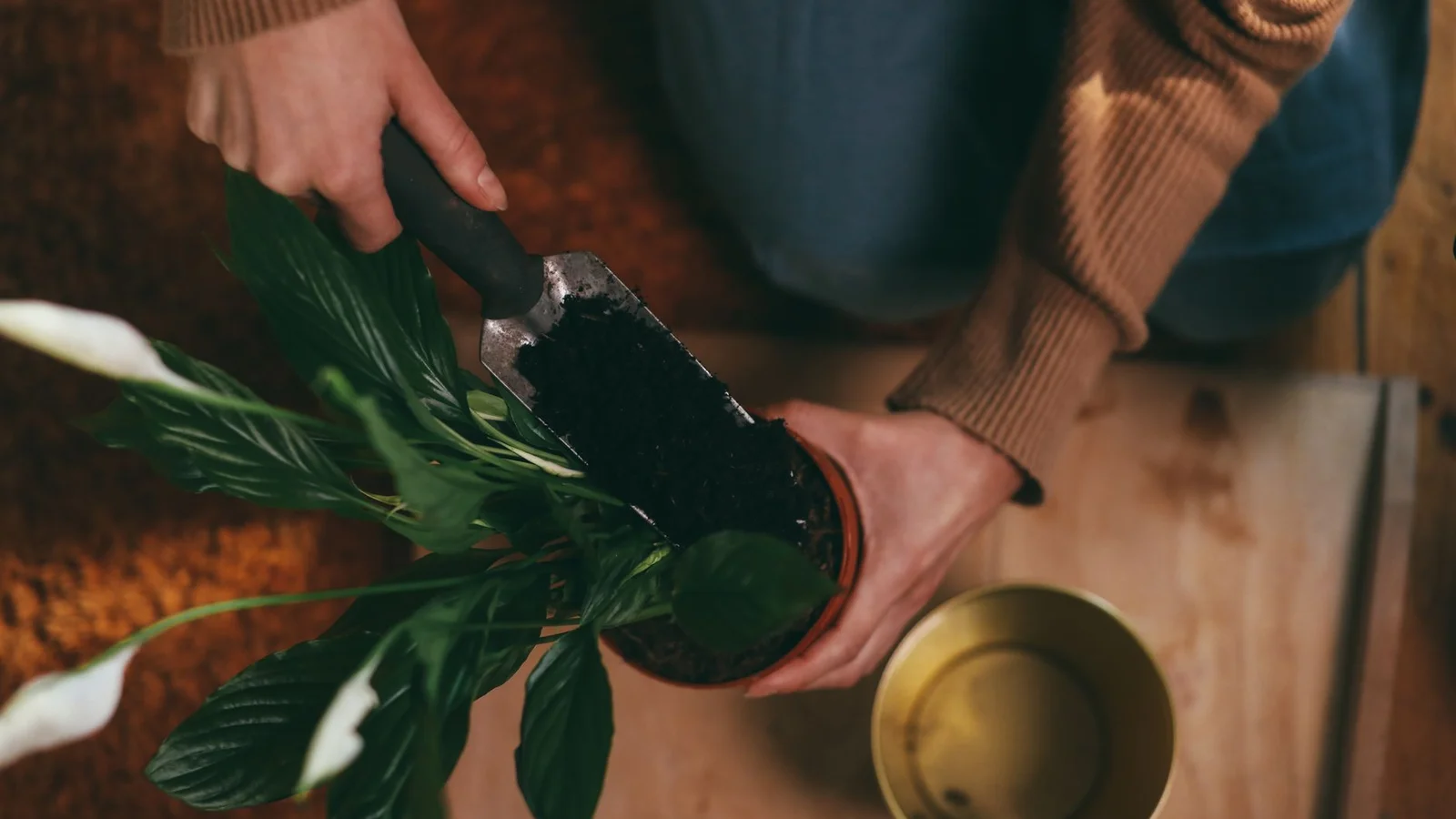
The Best Soil Mix for Healthy Houseplants
If you’ve ever wondered why your houseplant looks a little tired despite watering it on schedule, the answer might not be your watering can at all — it might be what’s underneath it. Soil is where roots breathe, drink, and anchor themselves, and the wrong mix can quietly sabotage even the most attentive plant care routine. The good news is that building a great houseplant soil isn’t complicated once you understand what roots actually need. Here’s a practical guide to choosing or building the best soil mix for healthy, thriving houseplants.
Why “Regular Potting Soil” Often Isn’t Enough
Many bagged potting soils are formulated with outdoor gardens or large containers in mind, where drainage and airflow work differently than they do in a small indoor pot. Straight from the bag, these mixes can be too dense and moisture-retentive for houseplants, especially when combined with pots that lack great drainage or a watering routine that’s a touch too generous. The result is soil that stays wet for days, starving roots of oxygen and setting the stage for root rot — one of the most common reasons houseplants decline.
The fix isn’t necessarily a fancy specialty product. It’s understanding the three jobs your soil needs to do simultaneously: hold enough moisture and nutrients for the plant, drain excess water quickly, and leave enough air space for roots to breathe.
What Makes a Good Houseplant Soil
A healthy soil mix balances a few key properties:
Drainage
Water should move through the mix and out the drainage hole within a reasonable time after watering — not pool on the surface for minutes, and not vanish instantly either. Chunky materials like perlite, pumice, or coarse bark create air channels that let excess water escape.
Moisture Retention
At the same time, the mix needs to hold onto some water so roots aren’t drying out within hours. Ingredients like peat moss, coco coir, and compost hold water in their fibrous structure and release it gradually.
Aeration
Roots need oxygen just as much as they need water. A mix that’s too dense — heavy garden soil, for instance — compacts over time and suffocates roots. Airy amendments keep pockets of oxygen available even when the soil is moist.
Nutrients
Good soil provides some baseline nutrition, though most houseplants will still benefit from supplemental fertilizer during the growing season since potting mixes get depleted over time.
Building a General-Purpose Houseplant Mix
For most common houseplants — pothos, philodendron, peace lily, spider plant, ferns, and similar — a reliable base recipe is:
- 2 parts high-quality potting soil (peat- or coir-based)
- 1 part perlite (for drainage and aeration)
- 1 part orchid bark or coarse compost (for structure and slow-release organic matter)
This combination drains freely while still holding enough moisture between waterings, and the chunkier bark pieces help prevent the mix from compacting after repeated watering.
Adjusting the Recipe for Different Plant Types
Not all houseplants want the same soil. Matching the mix to the plant’s natural growing conditions makes a real difference.
Succulents and Cacti
These plants evolved in fast-draining, gritty soil and rot quickly if kept too moist. Use a mix heavy on mineral, chunky material:
- 2 parts potting soil
- 2 parts coarse sand or perlite
- 1 part pumice or fine gravel
Aroids (Monstera, Philodendron, Pothos)
These epiphytic and semi-epiphytic plants grow in nature with roots exposed to lots of airflow, often climbing trees rather than sitting in dense ground soil. They appreciate a chunky, airy mix:
- 1 part potting soil
- 1 part orchid bark
- 1 part perlite
- A handful of charcoal to keep the mix fresh and reduce odor
Ferns and Moisture-Loving Plants
Ferns, calatheas, and other plants from humid forest floors like a mix that holds a bit more moisture without becoming waterlogged:
- 2 parts potting soil
- 1 part perlite
- 1 part compost or worm castings for extra moisture retention and nutrition
Orchids
Most orchids should skip traditional potting soil entirely. Use a bark-based orchid mix or a combination of bark, sphagnum moss, and perlite, since their roots need huge amounts of airflow and will rot quickly in standard potting soil.
Common Ingredients and What They Actually Do
- Perlite: lightweight, popcorn-like volcanic mineral that improves drainage and aeration without adding weight.
- Pumice: similar to perlite but heavier, so it won’t float to the surface over time — great for plants that need extra stability.
- Orchid bark: chunky pine bark pieces that create large air pockets and slowly break down, ideal for aroids and orchids.
- Coco coir: a sustainable, renewable alternative to peat moss that holds moisture well and rewets easily once it’s dried out.
- Peat moss: holds moisture and adds slight acidity; effective but less environmentally renewable than coco coir, so many growers are shifting away from it.
- Horticultural charcoal: helps keep soil “sweet” by absorbing impurities and reducing odor, particularly useful in mixes that stay moist for extended periods, like terrariums.
- Worm castings: a mild, nutrient-rich organic amendment that improves soil structure and feeds plants gently over time.
Signs Your Soil Isn’t Working
Your plant will usually tell you if the soil mix isn’t right for it:
- Water pools on the surface or takes a long time to drain — the mix is too dense; add more perlite or bark.
- Soil dries out within a day or two of watering — the mix may be too chunky for that particular plant; add more potting soil or coco coir to boost moisture retention.
- A persistent musty or sour smell — often a sign of compacted, poorly draining soil starting to go anaerobic.
- Fungus gnats swarming the soil surface — usually means the top layer is staying too moist for too long between waterings.
- White crust on the soil surface or pot rim — mineral salt buildup from fertilizer or tap water, which can be flushed out with a thorough watering.
When to Refresh Your Soil
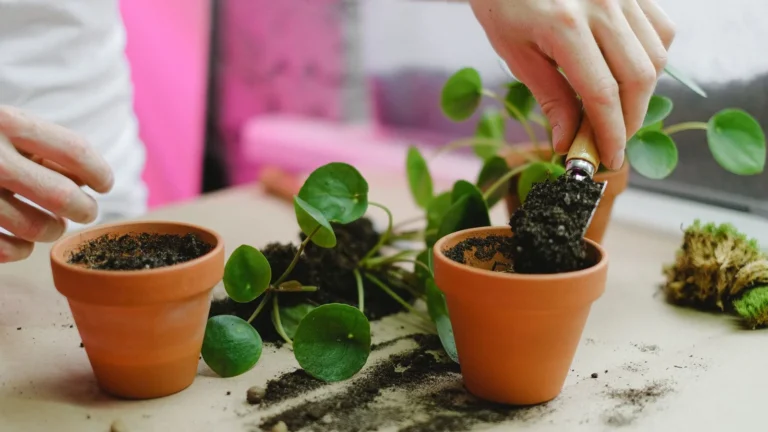
Potting mix breaks down over time as organic components decompose, compacting the structure and reducing drainage. As a general guideline, refresh the soil when you repot — typically every one to two years for most fast-growing houseplants, or when you notice water draining more slowly than it used to, even without changing your watering habits.
Store-Bought Mixes vs. Building Your Own
You don’t have to build every mix from scratch. Many garden centers now sell pre-blended “aroid mix” or “chunky houseplant mix” products that already combine bark, perlite, and potting soil in reasonable ratios, which can be a convenient starting point if you’d rather not source individual ingredients. That said, buying components separately — a bag of potting soil, a bag of perlite, a bag of orchid bark — is usually more economical if you have more than a few plants, and it gives you the flexibility to adjust ratios for different plant types rather than being locked into one formula. A little extra effort up front pays off across your whole collection.
A Quick Note on Pot Size and Drainage
Even the best soil mix can’t fully compensate for a pot that’s too large or lacks drainage. An oversized pot holds a large volume of soil that stays wet far longer than the roots can use, essentially recreating the overwatering problem regardless of how airy your mix is. When repotting, choose a container only one to two inches larger in diameter than the current one, and always make sure there’s a drainage hole so gravity can do part of the work your soil recipe is doing.
Final Thoughts
Great houseplant soil isn’t about buying the most expensive bag on the shelf — it’s about understanding the balance between drainage, moisture retention, and aeration, and adjusting that balance to match what each plant actually needs. Spend a little time getting the mix right, and you’ll find that watering becomes far more forgiving, roots stay healthier, and your plants reward you with steadier, more vigorous growth.