How to Fertilize Houseplants: When, What, and How Much
Fertilizing houseplants is one of those care tasks that sounds more complicated than it actually is. Between conflicting advice online, a wall of fertilizer options at the garden center, and the fear of accidentally burning your favorite plant, it’s easy to just… skip it. But feeding your plants well is one of the simplest ways to turn “surviving” into “thriving.” Here’s a practical, no-guesswork guide to when, what, and how much to feed your indoor plants.
Why Houseplants Need Fertilizer at All
In the wild, plants pull nutrients from a constantly refreshing supply in the soil — fallen leaves decompose, minerals leach in with rainwater, and organic matter breaks down continuously. A houseplant in a pot doesn’t have access to any of that. It’s working with a finite amount of soil that you watered the nutrients out of months ago every time water drains out the bottom of the pot. Potting mix itself is often fairly nutrient-poor to begin with, since it’s designed mainly for drainage and root support rather than long-term feeding. Fertilizer is how you replace what the plant uses up and what leaches away, giving it the building blocks it needs for new leaves, strong roots, and steady growth.
The Big Three: N-P-K, Explained Simply
Every fertilizer label has three numbers, like 10-10-10 or 3-1-2. These represent the ratio of nitrogen (N), phosphorus (P), and potassium (K):
- Nitrogen (N) fuels leafy green growth, which is why it’s the nutrient most houseplants need in the largest amount.
- Phosphorus (P) supports root development and flowering, making it especially important for blooming plants.
- Potassium (K) helps with overall plant health, water regulation, and disease resistance.
For most leafy foliage houseplants — pothos, philodendrons, monstera, ferns, snake plants — a balanced fertilizer with roughly equal numbers, or one slightly higher in nitrogen, works well. For flowering plants like African violets or orchids, a formula with more phosphorus relative to nitrogen can encourage blooms.
Choosing a Fertilizer Type
You don’t need a cabinet full of specialty products. A few basic types cover almost every situation:
Liquid Fertilizer
Diluted in water and applied when you’d normally water the plant, liquid fertilizer is the most popular choice for houseplants because it’s easy to control and works quickly. It’s a good default for beginners since you can adjust the dose and frequency as you learn your plants’ habits.
Slow-Release Granules or Spikes
These are mixed into the soil or pushed in as sticks and release nutrients gradually over weeks or months. They’re convenient for people who tend to forget regular feeding schedules, though they offer less control over exactly how much the plant is getting at any given time.
Organic Options
Products like diluted fish emulsion, seaweed extract, or worm castings feed plants more gently and also support beneficial microbial activity in the soil. They tend to have a stronger odor and act more slowly than synthetic fertilizers, but many plant parents prefer them for a lower risk of chemical burn.
When to Fertilize
Timing matters as much as the fertilizer itself. Most houseplants follow a seasonal rhythm even indoors, growing actively in spring and summer when daylight hours are longer, and slowing down in fall and winter.
- Spring and summer: this is the active growing season for most houseplants, and the time to fertilize regularly — typically every two to four weeks for liquid fertilizer, depending on the product’s instructions.
- Fall: taper off gradually as growth naturally slows, cutting back to once a month or less.
- Winter: most houseplants are semi-dormant during winter months and don’t need fertilizer at all. Feeding a resting plant doesn’t help it grow faster — it just lets unused nutrients build up in the soil.
There are exceptions. Plants under strong grow lights that keep growing steadily through winter, or plants native to non-seasonal tropical climates, may benefit from light feeding year-round at a reduced rate. When in doubt, watch the plant: if it’s actively pushing out new leaves, it’s using nutrients and can handle feeding. If growth has stalled, hold off.
How Much Is Enough
The most common fertilizing mistake isn’t neglect — it’s overdoing it. More fertilizer does not equal more growth; past a certain point, it just accumulates in the soil as salt buildup that can damage roots and cause leaf tip burn. A reliable rule of thumb for most liquid houseplant fertilizers is to dilute to half the strength recommended on the label, especially for indoor plants, which generally need less concentrated feeding than outdoor garden plants exposed to more sun and faster growth cycles.
Always fertilize plants that have already been watered, never dry soil — applying fertilizer to parched roots increases the risk of burning them. A simple approach many plant parents use is to water thoroughly, wait a day, then apply diluted fertilizer at the next regular watering.
Signs of Overfertilizing
- A crust of white or yellowish buildup on the soil surface or around drainage holes
- Brown, crispy leaf tips and edges
- Wilting despite moist soil
- Slowed or stunted growth despite regular feeding
If you suspect a buildup of fertilizer salts, flush the pot by running plain water through the soil several times, letting it drain fully each time, which helps wash excess salts out of the root zone.
Signs of Underfertilizing
Nutrient deficiency is generally slower and subtler than overfeeding. Watch for pale or yellowing leaves that aren’t concentrated on the older growth, smaller-than-usual new leaves, and generally slow growth during a season when the plant should be actively growing. Before assuming a plant needs more fertilizer, though, rule out light and watering issues first, since those are far more common culprits behind sluggish growth.
Do Different Plants Need Different Fertilizers?
You can absolutely get by with one good balanced fertilizer for a mixed collection of foliage plants, but a few categories benefit from something more tailored:
- Succulents and cacti grow slowly and store nutrients efficiently, so they need a much lighter feeding hand — a cactus-specific formula, or your regular fertilizer diluted even further than usual, applied only a few times during the growing season.
- Flowering plants like African violets, orchids, and peace lilies often respond well to a fertilizer formulated for blooms, which usually carries a higher phosphorus number to support flower production rather than just leaf growth.
- Large, fast-growing foliage plants such as monstera, pothos, and philodendron tend to appreciate a nitrogen-forward formula during their most active growth months, since they’re constantly producing new leaves.
- Ferns generally prefer a gentler, more diluted feeding than other houseplants, since their fine root systems are more sensitive to salt buildup.
If you’re just starting out, don’t let this variety overwhelm you — a single balanced, all-purpose liquid fertilizer diluted to half strength will serve the vast majority of a typical houseplant collection perfectly well. You can always add a specialty product later for a particular plant that seems to want more.
A Note on Fertilizer After Repotting
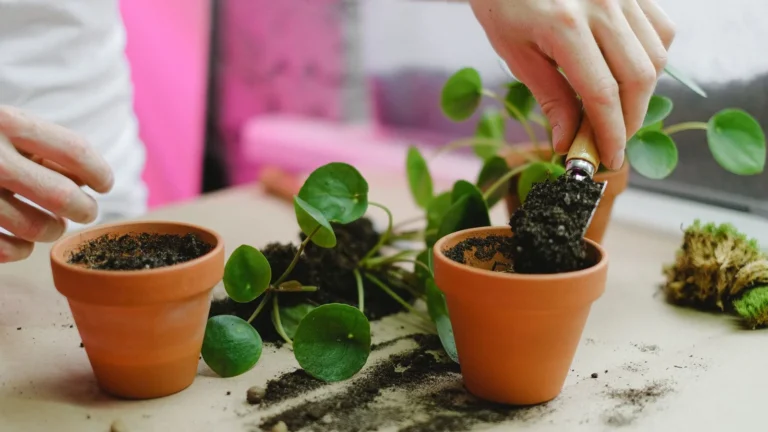
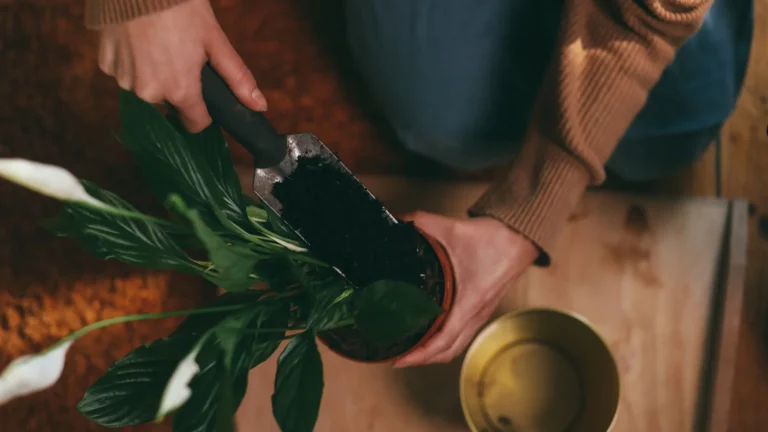
It’s best to hold off on fertilizing for four to six weeks after repotting a plant. Fresh potting mix usually contains at least some nutrients already, and a plant that has just experienced the stress of having its roots disturbed is more vulnerable to fertilizer burn while it’s busy re-establishing itself. Give the plant time to settle into its new pot and show signs of active growth before resuming your normal feeding schedule.
A Simple Feeding Routine to Start With
- Choose one balanced liquid fertilizer to start — you really only need one product for most of your collection.
- Dilute it to half the label’s recommended strength.
- Feed every three to four weeks from spring through summer, on a day you’re already watering.
- Taper off in fall and skip fertilizer entirely in winter.
- Flush the soil with plain water occasionally to prevent salt buildup.
Fertilizing doesn’t need to be a source of anxiety. Think of it less like a precise medical dose and more like a seasonal habit — a little extra support during the months your plants are working hardest to grow, and a rest during the months they’re not. Get the rhythm right, and you’ll likely notice glossier leaves, sturdier stems, and a collection of plants that looks genuinely well-fed rather than just watered.