ZZ Plant Care: The Houseplant That Thrives on Being Ignored
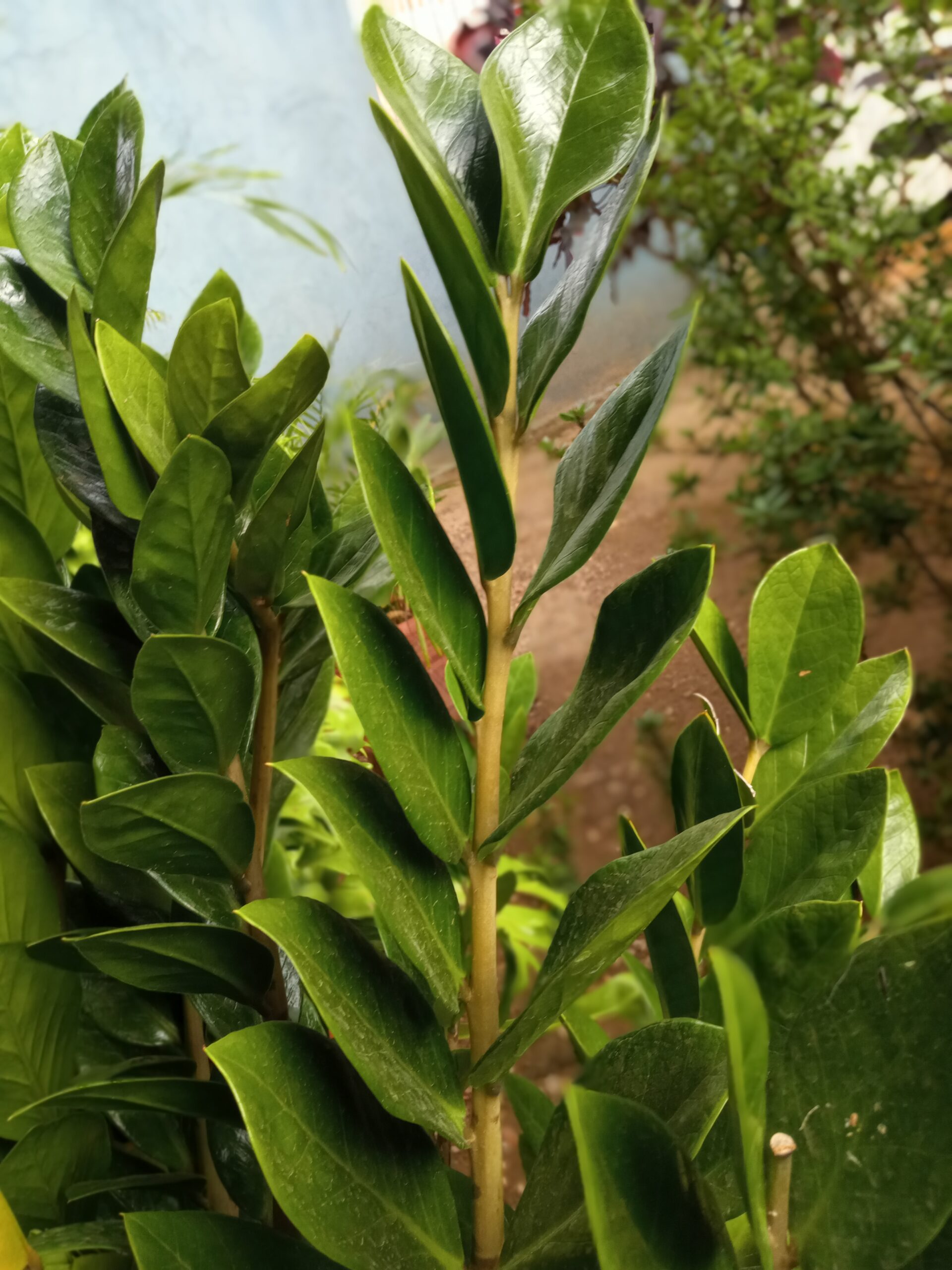
If you have killed plants before and are ready to try one more time, the ZZ plant (Zamioculcas zamiifolia) is the one to bet on. Its waxy, deep-green leaflets look almost artificial, it shrugs off the low light of a north-facing room, and it stores water so efficiently that neglect is closer to a care instruction than a risk. It is the plant that survives the office nobody waters and the apartment nobody’s home in.
Why it is so hard to kill
Underground, the ZZ grows from fat rhizomes — potato-like storage organs that bank water and nutrients. That reserve is the whole secret. When you forget to water, the plant lives off its own pantry, which is exactly why the fastest way to kill one is to overwater it, not underwater it. Treat it like a succulent that happens to look like a tropical foliage plant and you will rarely go wrong.
Light: bright is nice, dim is fine
ZZ plants grow fastest in bright, indirect light, putting out new stems that arch up and outward in a fountain shape. But their claim to fame is tolerance: they hold on in genuinely low light where most foliage plants sulk and drop leaves. Expect slower growth in a dark corner, not decline. The one thing to avoid is harsh, direct summer sun through glass, which can scorch the glossy leaflets. A few feet back from an east or north window is ideal; the back of a dim room is survivable.
Watering: when in doubt, wait
This is the entire game with a ZZ. Water thoroughly, let excess drain, and then let the top two to three inches of soil dry out completely before watering again — often every two to three weeks, and even less in winter. Stick a finger in; if you feel any moisture, wait. Signs you are overwatering include yellowing leaves and mushy, darkening stems at the base, which point to rhizome rot. Signs you have finally underwatered it — a rare achievement — are wrinkled stems and rolling leaflets, which perk back up quickly after a drink.
Soil, pots, and drainage
Because rot is the main threat, drainage matters more than the specific mix. A standard houseplant potting mix loosened with a handful of perlite or a cactus/succulent blend works well, always in a pot with a drainage hole. ZZ plants are slow, contented growers that do not mind being a little root-bound, so you only need to repot every two to three years when the rhizomes start to crowd the pot or push it out of shape.
Feeding and grooming
Feed lightly — a balanced, diluted houseplant fertilizer once or twice during spring and summer is plenty; it is not a heavy feeder and will grow fine with none. Wipe the leaves occasionally with a damp cloth, because those glossy leaflets are dust magnets and a clean leaf photosynthesizes better. If a stem gets too tall or leggy, you can cut it back to shape without harming the plant.
A note on the raven ZZ and on pets
The dramatic near-black “Raven” ZZ is the same plant with the same care; new growth emerges bright green and darkens to near-black as it matures. One genuine caution: all parts of the ZZ are toxic if eaten and the sap can irritate skin, so keep it away from curious pets and children and wash your hands after pruning. It is a plant to admire, not to nibble.
Put a ZZ in a spot with any light at all, water it roughly once the soil goes dry, and otherwise forget about it. That is not an oversimplification — it is close to the whole manual. Few plants give back so much for so little.
Propagating a ZZ plant
ZZ plants propagate two ways, both slow but nearly foolproof. The fast-ish method is division: at repotting time, pull the plant apart at the rhizomes so each piece has a stem and some roots, and pot the divisions separately. The patient method is leaf cuttings — snip a healthy leaflet, let the cut end callus for a day, and set it in slightly moist soil. Over two to three months it will grow a tiny rhizome and eventually a new shoot. Neither is quick, but both ask almost nothing of you beyond waiting, which is very much on brand for this plant.
Quick problem reference
Yellowing leaves with soft stems almost always mean overwatering; let the soil dry fully and check the rhizomes for rot. Brown, crispy leaf tips usually point to inconsistent watering or, occasionally, very dry air, though ZZs tolerate low humidity better than most. Pale, stretched, floppy new growth means the plant is reaching for more light — move it somewhere brighter and the next flush will come in sturdier. None of these are emergencies; the ZZ gives you plenty of warning and plenty of time to correct course.
Where a ZZ plant earns its keep
Because it tolerates what would kill most foliage plants, the ZZ solves specific problems other plants can’t. It is the go-to for a windowless office lit only by fluorescents, a north-facing hallway, a bathroom with a small frosted window, or the desk of anyone who travels for work and can’t commit to a watering routine. It is equally at home as a floor plant in a bright living room, where good light pushes it to a fuller, more architectural shape. If you have a spot where every previous plant has slowly declined, that spot is a ZZ’s natural habitat rather than its death sentence.
Is the ZZ right for you?
Choose a ZZ if you want a striking, low-fuss plant and tend to under-attend rather than over-fuss — it rewards benign neglect and punishes doting. Look elsewhere if you have pets or small children who chew on leaves, since it is toxic if eaten, or if you specifically want fast growth or flowers, because the ZZ is a slow, quiet grower that rarely blooms indoors. For most people, though, it lands in the sweet spot of maximum presence for minimum effort, which is exactly why it has become a fixture in offices, lobbies, and first-time plant collections everywhere.
Related reading
- Snake Plant Care: Watering, Light, and Propagation
- Pothos Care: The Complete Guide to the Easiest Houseplant
- How to Water Houseplants the Right Way: Overwatering, Underwatering, and Getting It Just Right